
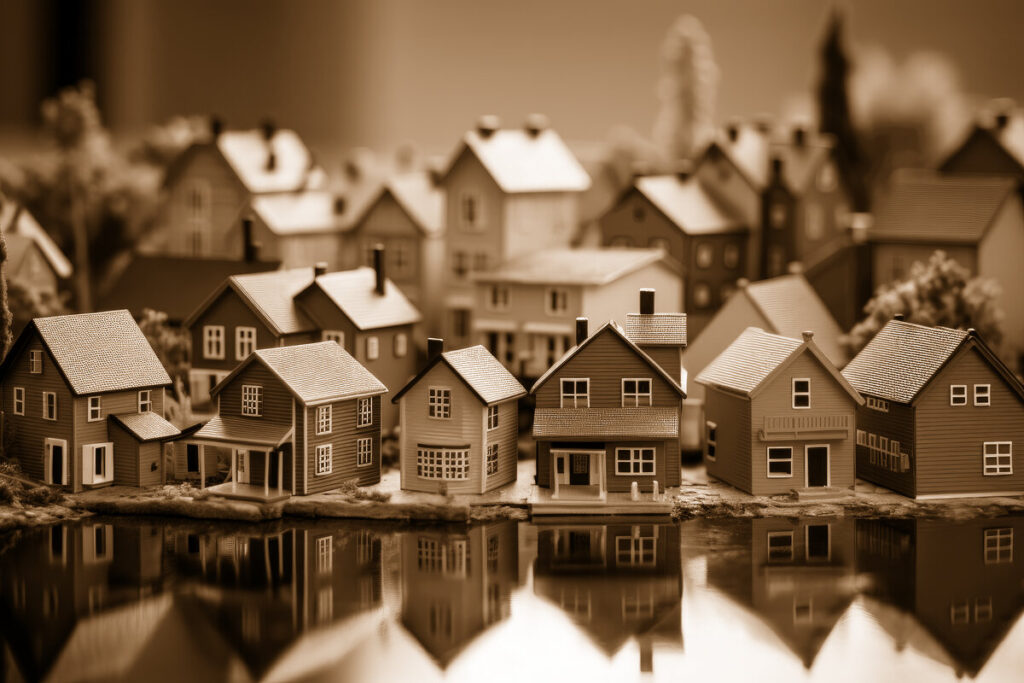
Nestled on the east side of Flagstaff and bounded by classic pine-dotted streets, the Cortland neighborhood is a testament to the city’s pioneering spirit, its legacy of community, and the evolving tapestry of Northern Arizona life. From its earliest days to its modern vibrancy, Cortland’s story is both uniquely its own and deeply woven into the larger Flagstaff narrative. Let’s take a walk through time and discover what makes this place so very special.
Origins: From Railway Land to Residential Dreams
Cortland’s beginnings can be traced back to the early 20th century, an era when the Santa Fe Railway was a lifeline connecting Flagstaff to the wider world. As the railroad spurred growth downtown, the land that would become Cortland was largely open range sprinkled with ponderosa pines. Oral histories suggest that the area’s first significant development began in the 1920s, sparked by an uptick in railway workers and lumber mill employees seeking family homes close to their employment.
Naming the Neighborhood
The name “Cortland” is said to come from early land plats that referenced the Cortland family, a group of settlers who homesteaded the area just east of downtown. Local legend tells of Martha Cortland, a teacher and activist, known for hosting the neighborhood’s earliest social gatherings—picnics that would later inspire the creation of neighborhood parks.
Key Milestones: The Growth of a Community
Over the decades, Cortland experienced numerous milestones that defined its role in Flagstaff’s history:
- 1927: Construction begins on the first row of brick houses along North Cortland Boulevard. Many of these homes still stand, showcasing bungalow-style architecture popular in the late 20s and early 30s.
- 1953: The opening of Cortland Elementary (now repurposed as a local community center) on the corner of Cortland Boulevard and Elm Avenue brought new families and set the stage for education as a neighborhood cornerstone.
- 1978: The establishment of Pioneer Park, which now serves as a central green space and hosts annual neighborhood picnics, farmers markets, and summer concerts.
- 1994: Restoration efforts begin for the old Flagstaff and Northern Arizona Railway depot at the edge of Cortland, preserving the building as a symbol of the neighborhood’s roots.
Notable Landmarks and Streets
The heart of Cortland lies in its streets, each boasting a story and charm all its own. North Cortland Boulevard, the neighborhood’s namesake artery, is lined with mature ponderosas and a mix of restored brick homes and mid-century ranch houses. Dawnridge Circle, known among locals for its tranquil cul-de-sacs, is a favorite for walkers and bikers.
Hidden Gems
- The Cortland Community Center: Housed in the historic former elementary school, this hub offers art classes, yoga, and a lending library. Its original bell tower, once rung to call children to class, still stands.
- Pioneer Park: Much more than playgrounds and picnic tables—each May, it becomes a gathering spot for the neighborhood’s Heritage Days, featuring storytelling from multi-generation residents.
- The Old Depot: Located near the intersection of Cortland Blvd and Route 66, it’s now a cozy museum dedicated to Flagstaff’s railway and logging past.
Evolution and Modern Spirit
Cortland is an example of how Flagstaff respects its history while embracing the future. Through the 1980s and 90s, a new generation of residents moved in, drawn by Cortland’s combination of nostalgic homes and proximity to downtown, Northern Arizona University, and the city’s famed natural beauty. Infill projects sprouted on vacant lots, blending seamlessly with bungalow and ranch-style originals.
Today, families, artists, and retirees alike call Cortland home. Community pride is evident in the well-tended gardens spilling with wildflowers each spring, the neighborhood’s Little Free Library on Magnolia Drive, and the annual Memorial Day block parties. The sound of kids riding bikes mingles with the aroma of backyard barbecues—echoes of the rich, neighborly spirit that goes back to Martha Cortland’s day.
What Makes Cortland Special
Ask a longtime resident, and they’ll tell you Cortland is much more than streets and houses—it’s a living, breathing neighborhood where the past is cherished and the future is welcomed. Some of the most cherished aspects include:
- The friendly waves exchanged by morning walkers.
- Heritage trees and mature landscaping throughout the district.
- Seasonal events—from autumn harvest fests in Pioneer Park to winter luminaria displays along Elm Avenue.
- Proximity to both urban amenities and hiking trails leading into Flagstaff’s legendary forests.
Preserving Heritage for Tomorrow
Ongoing efforts by the Cortland Neighborhood Association ensure the area’s character remains strong. From historic house plaques to oral history projects capturing stories from elders, there’s a collective commitment to preserving the unique fabric that makes Cortland so beloved in Flagstaff’s patchwork of neighborhoods.
In Cortland, history isn’t just found in the pages of old ledgers or the stones of century-old homes; it’s in the laughter in Pioneer Park, the welcome mat on every porch, and the generations of families growing together under the shadow of the San Francisco Peaks.
Whether you’re a lifelong resident or a curious visitor exploring Flagstaff, spend some time strolling Cortland’s tree-lined streets. You’ll discover not just history, but a neighborhood that feels like home.